
Overview
A diagnosis of breast cancer is a profound journey. At the practice of Mr Ahmed Ibrahim, Consultant Plastic & Reconstructive Surgeon, we understand that reconstruction is a vital part of the healing process. It is not merely a surgical procedure, but a step towards restoring a sense of self, wholeness, and confidence.
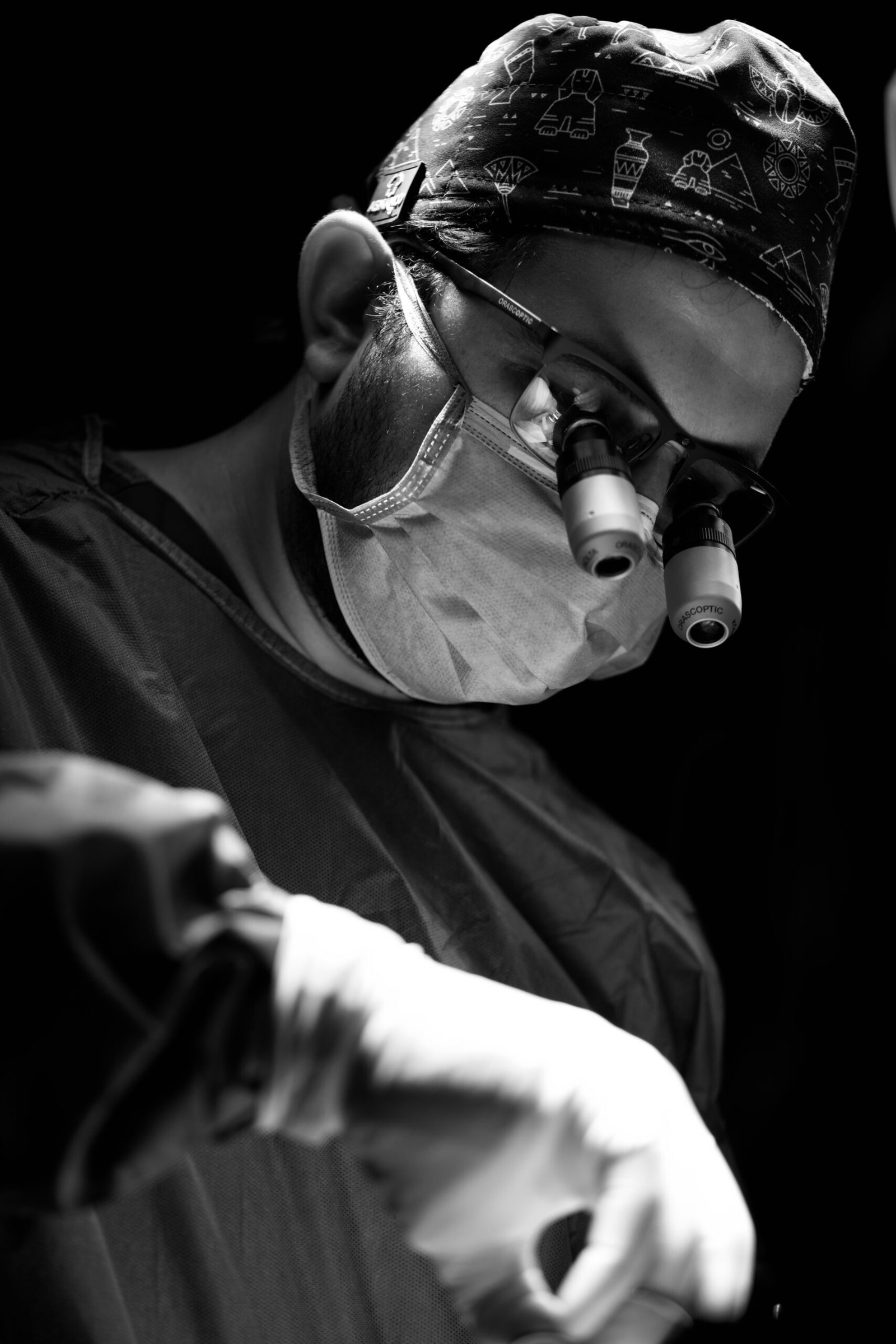
Mr Ibrahim is a specialist in oncoplastic and microsurgical breast reconstruction. His advanced dual-fellowship training at a major NHS centre means he offers the full spectrum of modern reconstructive techniques. He works closely with breast cancer surgeons and oncologists to provide seamless, integrated care, whether reconstruction is performed at the same time as cancer removal (immediate) or at a later date (delayed).
Your Reconstruction Pathway
- Understanding Your Options
- The choice between implant-based and your own tissue (autologous) reconstruction is personal. During your consultation, Mr Ibrahim will explain all suitable techniques in detail, helping you make an informed decision that aligns with your body, lifestyle, and goals.
- Immediate vs. Delayed Reconstruction
- We will discuss the optimal timing for your reconstruction based on your cancer treatment plan.
- Symmetry Procedures
- Surgery on the opposite breast (reduction, uplift, or augmentation) is often recommended to achieve the best possible balance and aesthetic outcome.
The Two Main Approaches for Breast Reconstruction
Implant-Based Reconstruction
- Core Concept
- Using a silicone or saline implant to create a new breast mound.
- Ideal For
- Patients who desire a shorter operation and recovery, have sufficient skin and tissue, or prefer not to have a donor site.
- Key Benefits
- Shorter initial surgery, no donor site scarring, predictable size and shape.
Autologous (Own Tissue) Reconstruction
- Core Concept
- Using your own skin, fat, and tissue from another part of your body (a “flap”) to create a new breast.
- Ideal For
- Patients seeking a very natural look and feel, those who may need radiotherapy, or who prefer to avoid an implant.
Important: These procedures are tailored to your individual anatomy, cancer treatment, and goals. There is no single “best” option; the right choice is the one that is safest and most appropriate for you. Mr Ibrahim’s expertise in both techniques ensures you receive balanced, expert guidance.